
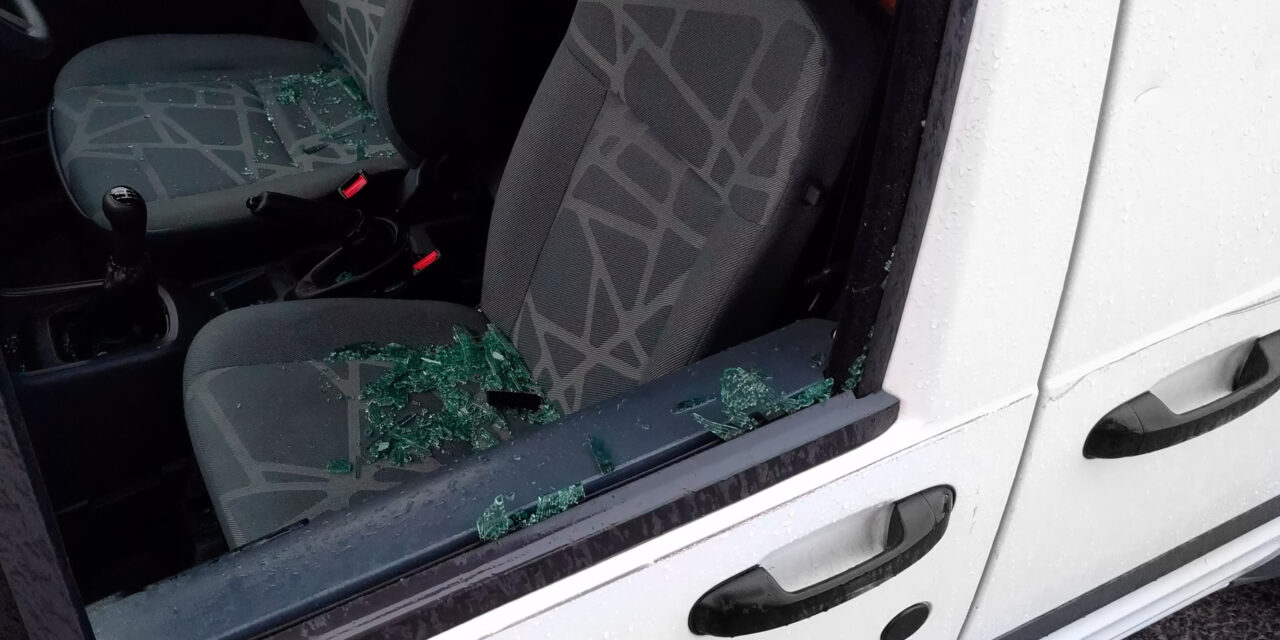
New data reveals that nearly £40 million worth of tools were stolen across the UK between 2023 and 2024, with almost four in five tradespeople reporting they’ve experienced tool theft.
This highlights the growing threat to skilled workers, many of whom rely on specialist equipment to make a living.
Tool theft is not only financially devastating but often leads to lost income, project delays and cancellations, plus difficulty replacing high-spec items.
David Martin, Managing Director at precision tooling and lighting distributor Heamar, explained: “When equipment is stolen, the impact is immediate. Tradespeople aren’t just dealing with a lost item, they often lose the ability to work for a few days or even weeks. They often feel violated that something they have worked so hard towards has been taken. It’s more important than ever to take the security of tools and equipment seriously through various resources such as physical deterrents, insurance and even tracking tools.”
Prevention is key when it comes to tool theft. According to research from Volkswagen Commercial Vehicles, one in five (19%) van drivers have had their vehicles broken into and tools stolen, highlighting how many thefts occur when tools are left in vans overnight.
Ideally, tools should not be left in vans unsupervised. Where possible, tradespeople are encouraged to bring high-value equipment inside or store it in a locked garage or warehouse. Where this is not practical, tools can be secured inside the van using a lockable chest or reinforced vault.
Lighting can also make a difference. A van parked in a well-lit area is less appealing to a thief than one in the shadows. Where possible, park with side or rear doors against a wall or fence to block access. Vehicles should be fitted with additional locks, alarm systems, a dash cam and internal motion sensors if possible.
Tool insurance should definitely be considered, but it’s important to read the small print, as some insurance policies do not cover tools stolen overnight unless very specific conditions are met, such as the van being parked on a driveway or the tools being locked in a particular type of storage box.
Tradespeople are also advised to keep a digital record of receipts, serial numbers and pictures of tools in case they need to make a claim.
Anyone who is the victim of tool theft should report it to the police immediately and request a crime reference number, then contact their insurance provider as soon as possible. Resources such as Tool Theft Alerts UK may also help people identify their items that have been listed for sale within hours of a theft.
Additionally, apps like Tool Archive and Immobilise allow tradespeople to register their equipment to prove ownership and flag items as stolen. Even if tools are not returned, having them registered makes it harder for thieves to sell them on.