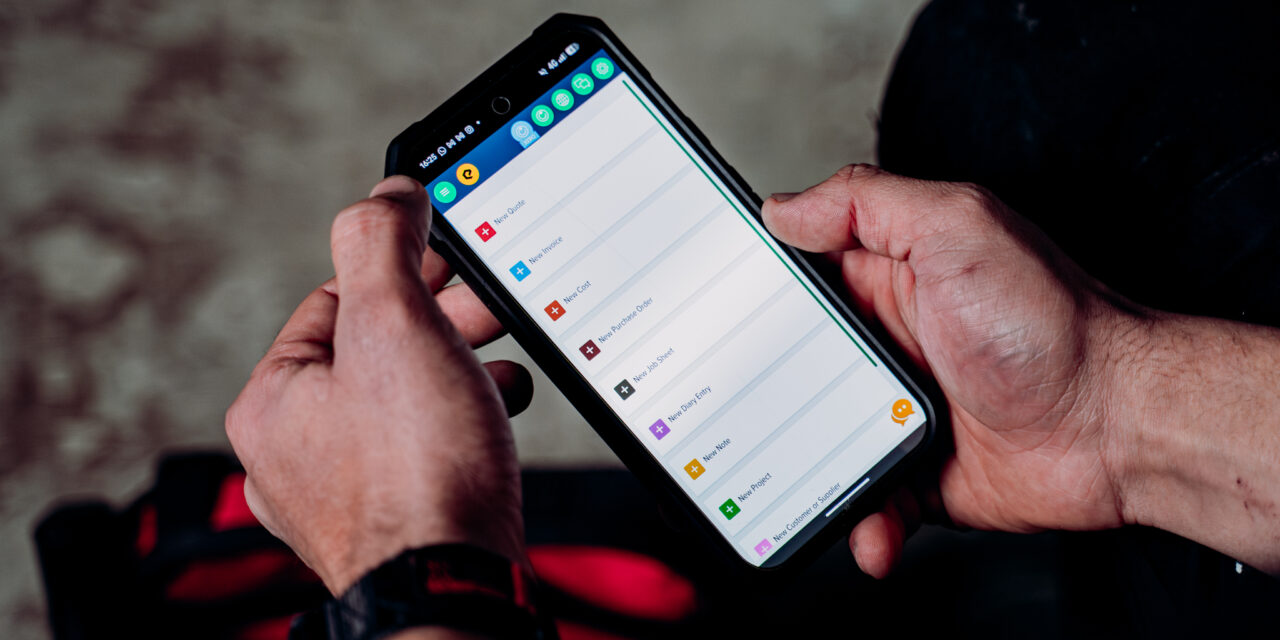
HMRC’s new ‘Making Tax Digital’ scheme is on its way. Here, Benjamin Dyer explains what the changes mean for sole traders and landlords.
Making Tax Digital for Income Tax (MTD IT) is officially on its way. To keep it simple, MTD IT will change the ways in which thousands of tradespeople and sole traders will annually record and report their earnings to HMRC.
While it is first and foremost being introduced to streamline the tax reporting process, there is understandably a lot of hesitancy and confusion among those business owners already struggling to tackle their daily admin tasks alongside running a business.
Preparation is key, but so is using the correct tools to suit your business needs. Read our introduction to MTD IT here to best prepare for the incoming changes.
What is MTD IT?
The aim of MTD IT is simple: to modernise the UK tax system and make it easier for people to file the correct information and pay the right tax.
One of the most common misconceptions around MTD IT is that tax will have to be paid on a quarterly basis. As of April 2026, tax payments will still need to be made annually, but quarterly reporting will now also be required.
Who will be affected?
From April 2026, the threshold for MTD IT will include non-VAT registered businesses with annual earnings over £50,000. Overall, this could mean that over 850,000 sole traders across the UK will be impacted this coming April, with more to follow as the threshold for MTD IT is expected to be lowered over the coming years between now and 2028.
By 2028’s deadline more than 2.9 million sole traders will be impacted, so there’s never been a better time to understand when you’ll be required to get on board with the digital shift.
It’s also important to note that this latest MTD IT deadline will only impact non-VAT registered businesses, as VAT-registered businesses have been required to keep records and submit returns digitally since 2022.
Limited companies do not have to comply with Making Tax Digital unless they are VAT registered.
When and how should installers begin to prepare?
While not all businesses will be impacted from April 2026’s deadline, early preparation is key, since MTD will be gradually introduced to all non-VAT registered businesses and sole traders earning more than £20,000 over the next two years.
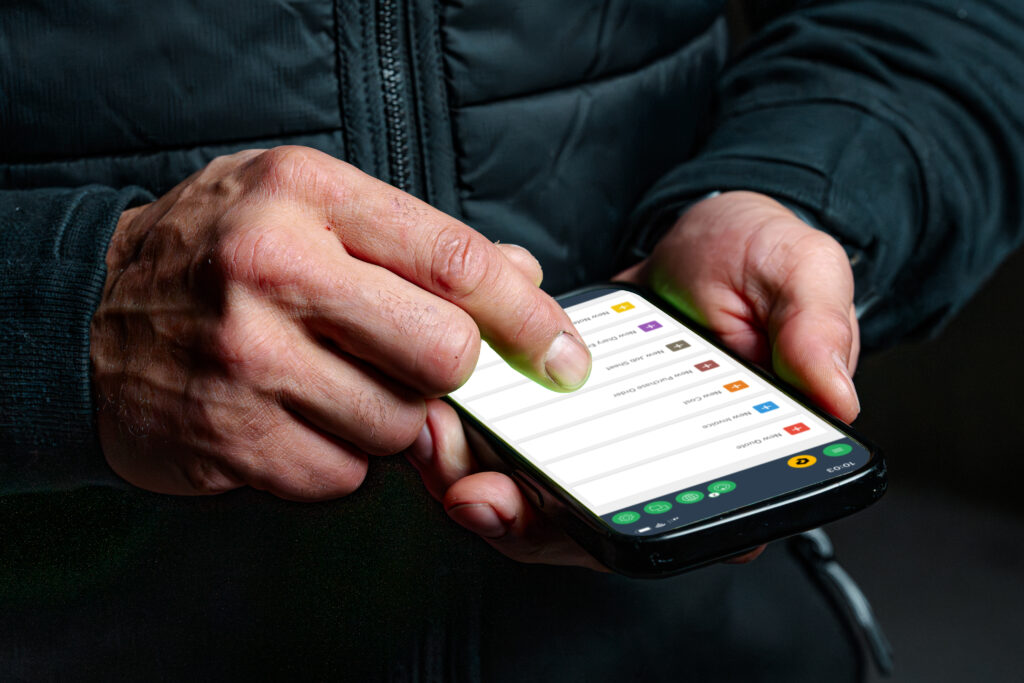
This steady shift towards digital record-keeping allows busy tradespeople to fully understand the changes, how they impact their businesses, and to avoid a scramble at the eleventh hour.
A ‘little but often’ approach to admin is always recommended in preparation for MTD IT’s arrival. Keeping records of expenses, sales, and supplier invoices ensures that nothing gets lost and that all transactions remain traceable throughout the year.
Introducing simple changes and regular habits, such as monitoring expenses and raising invoices promptly through one platform, can save hours of guesswork further down the line.
Additionally, separating businesses and personal expenditure is key. Separate bank accounts, cards and statements can ensure digital record-keeping is made easier in the long-term, and reduce the likelihood of time-consuming, costly errors.
What are the main changes?
For those who still rely on paper job sheets, spreadsheets or a van full of receipts, MTD IT will require important changes to the way your business is run day to day. The key areas to focus on are as follows.
Moving job and cost records online
All income and expenses will need to be recorded digitally using HMRC-recognised software. Paper invoices, handwritten job notes and loose receipts will no longer be enough.
Materials, subcontractor costs, fuel, tools and job income will need to be logged digitally, as jobs are completed, rather than saved up until the end of the year to make the recording as easy as possible.
Keep records up to date through the year
Instead of sorting the books once a year, businesses will need to submit quarterly updates to HMRC, showing both income and expenses. While full accounts are still submitted annually, heating, plumbing and renewables businesses will need to stay on top of their records year-round.
Use software that fits your business
MTD IT requires compatible software; however, this doesn’t have to be expensive or complicated. While few solutions are tailored to the trades, Powered Now is built specifically for the trades, to help them to manage jobs, invoices, and records digitally all in one app – removing the need to juggle multiple, disconnected apps and associated costs.
By opting for a more trade-oriented software, heating, plumbing and renewables businesses can work with tools that have been designed to back the trade as their helping hand, while they can focus efforts on-site.
Get ready for what’s next
MTD IT marks a clear change in the ways heating, plumbing and renewables businesses deal with HMRC. While moving away from paper job sheets and receipts may feel like extra work in the first instance, digital records are designed to reduce errors, improve cash flow visibility, and make tax simpler over time.
Powered Now is an all-in-one job management software designed specifically for trade businesses. With an award-winning, UK-based support team, the app allows businesses to invoice, quote and schedule jobs and teams – all from one app. To find out more about Powered Now, and begin your 14-day free trial, visit www.powerednow.com
You can also download Powered Now’s own guide to MTD IT at www.powerednow.com/making-tax-digital
Benjamin Dyer is Founder and CEO of Powered Now