Benjamin Dyer explores how AI tools can help installers answer calls and gather potential leads while maximising time on the job.
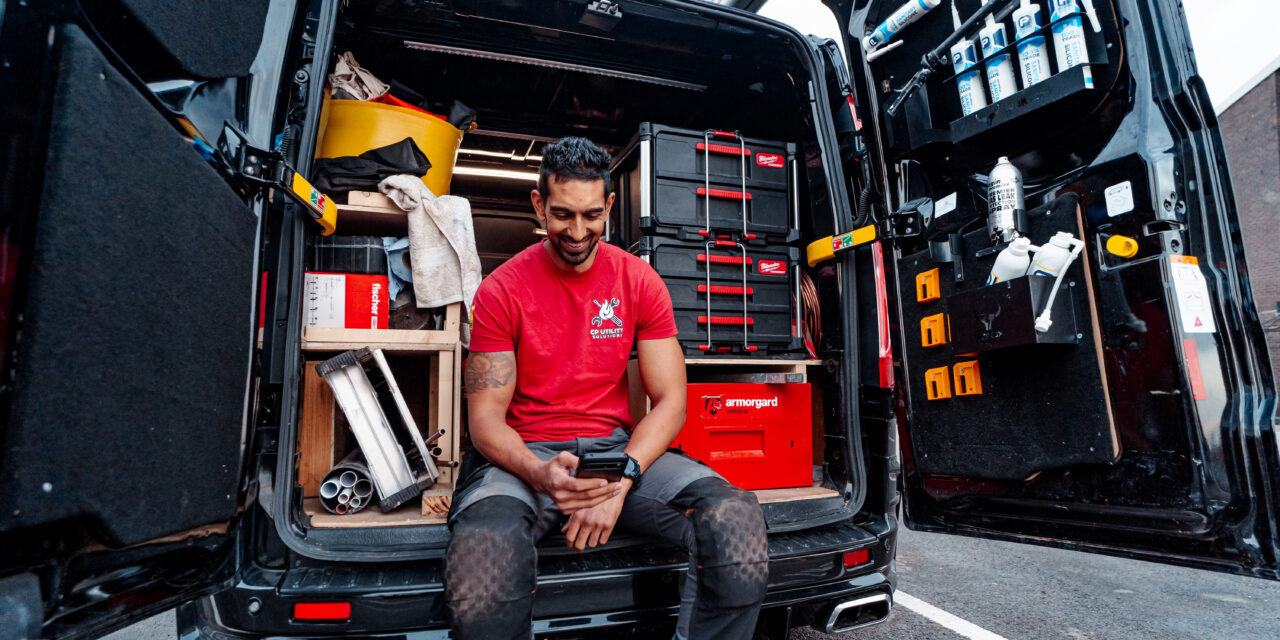
A few months ago, I sat in on a call with a heating engineer who had missed out on a full system replacement because he was up in a loft when the customer rang.
There was insulation dust everywhere, a torch in one hand and barely any phone signal. He didn’t realise he had missed the call until that evening. By then, the customer had already booked someone else — simply because they had answered first.
He wasn’t a bad engineer. In fact, he was doing exactly what he should have been doing: working.
I think about that loft a lot, because it is not really a story about one heating engineer or one boiler. It reflects one of the clearest findings from our NOW Report, our national research into how UK tradespeople actually run their businesses.
A huge 93% said running the business causes them stress, while more than half had not taken a full week’s holiday in the previous year.
Behind both figures is the same problem: work can disappear quietly while tradespeople are too busy earning a living to notice it has gone.
Using AI where it actually helps
AI has become one of those terms that gets attached to almost everything. Chatbots, image generators, new tools and platforms — whatever happens to be attracting attention that week.
But most tradespeople do not need technology for technology’s sake. They need practical tools that solve real problems in the working day.
One of those problems is the gap between the phone ringing and someone actually being free to answer it.
That is why we built an AI Receptionist. Not because AI is fashionable, but because unanswered calls can mean lost revenue, and there was a clear need for something that could bridge that gap.
Traditional voicemail often does not solve the problem. Many customers will not leave a message; they simply move on and call the next business. Generic answering services can also fall short if they do not understand the language of the trade or recognise the difference between an emergency and a routine enquiry.
An AI receptionist can have a proper conversation with the caller. It can ask what the problem is, establish how urgent the job may be, gather the relevant details and book the appointment directly into the diary.
No hold music. No waiting for someone to return a voicemail.
It is important to be clear about what this technology is and what it is not.
It is not a replacement for a heating or HVAC engineer, and it never should be. Customers ultimately want the job carried out properly by a skilled professional who knows what they are doing.
What is changing is simply the moment before that — the point when the phone rings and nobody is available to answer.
Historically, that missed call could easily become a lost job. Technology now offers an opportunity to stop that happening.
AI is not replacing the skill of the tradesperson. Nobody is handing over boiler repairs or system installations to a robot.
But the administration surrounding that skill — the part many tradespeople never trained for and often do not have time to manage — is exactly where this kind of technology can provide genuinely useful support.